
FPA patient information booklet updates based on latest UKMEC guidance
3 June 2026.
UKMEC Update
Following publication of the new UK Medical Eligibility for Contraception (UKMEC) guidelines in December 2025 we want to make sure you know what’s happening with FPA’s patient information guides.
Most FPA guides were not affected by the new UKMEC – but the guides that are affected will have some comprehensive changes. We are currently going through our robust update and quality assurance process before we publish them.
Using existing guides
We recommend only using the existing guides until the new editions listed below are available. After that, it’s advised to use the new 2026 editions.
Until then – we recommend sharing the below information with patients and colleagues and referring to the new UKMEC 2025 guidance in addition to the FPA guides when providing information to patients.
Progestogen-only pill (POP): The FPA guide
Now updated, clinically reviewed, user tested and in line with UKMEC.
New 2026 guide now in stock in the FPA shop.
Covering UKMEC in the new Progestogen-only pill guide:


Combined Pill: The FPA Guide
Now updated, clinically reviewed, user tested and in line with UKMEC.
New 2026 guide now in stock in the FPA shop.
Covering UKMEC in the new Combined Pill guide:

Contraceptive Patch and Contraceptive Vaginal Ring: The FPA guide
This has similar updates to the Combined Pill guide above with a few exceptions:
- the patch and ring are not affected by GLP-1 agonists
- the progestogen in these methods does not increase the risk of meningioma
- these methods are not currently available through pharmacies (except in the usual way, with a prescription).
Timing on the updated stock is still to be confirmed.
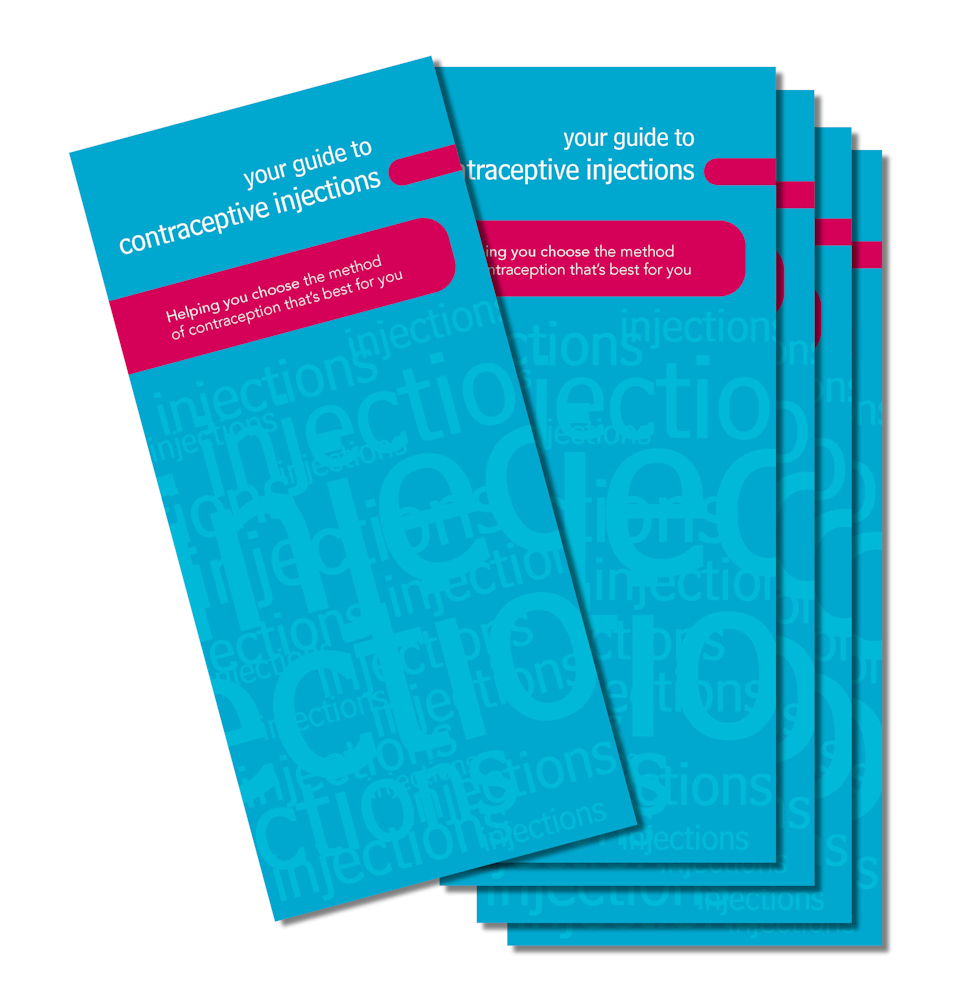
Contraceptive Injections: The FPA guide
The January 2021 edition of the guide can still be used until the 2026 edition is available but please use it in conjunction with the new UKMEC guidance.
The current FPA guide does not cover:
- New evidence on the increased risk of blood clots (VTE) in injection users. This means the injection is not usually advised for people with a history of VTE, current VTE (on anticoagulants), those with multiple risk factors for VTE, or with known thrombogenic mutations.
- Major surgery: It’s usually recommended not to initiate the injection around the time of major surgery.
- Postpartum: It’s now recommended that anyone with any additional risk factors for VTE waits until 6 weeks after giving birth before starting the injection. Those without additional risk factors can still start the injection any time after the birth.
- Chronic kidney disease (CKD): The injection is not usually advised for people with CKD due to the negative impact on bone health.
- Positive antiphospholipid antibodies (PAA): The injection is not usually advised for people with PAA.
All the above scenarios are classed as “UKMEC 3” – meaning the risk generally outweighs the benefit.
In addition, new evidence suggests:
- Injection users have a very small increased risk of a rare (usually benign) type of brain tumour called meningioma.
Contraception After a Baby: The FPA guide
The April 2024 edition of the guide can still be used until the 2026 edition is available but please use it in conjunction with the new UKMEC guidance.
The current FPA guide does not cover:
- When to start the injection: It’s now recommended that anyone with any additional risk factors for VTE waits until 6 weeks after giving birth before starting the injection. Those without additional risk factors can still start the injection any time after the birth.
We do not currently have a planned reprint date for this guide, so please continue to use the existing guide being mindful of the new recommendation so you can counsel patients accordingly.