Yasmine and Tom – RSHE resource for primary schools
Yasmine and Tom
Helping you teach high-quality RSHE & PSHE
About Yasmine and Tom
Yasmine and Tom is an interactive online resource designed by teachers, for teachers. This intuitive and lively resource is loved by educators nationwide.
Animation, sound and touch-screen activities bring the characters Yasmine and Tom to life.
Yasmine and Tom grow older as they cover topics across relationships, sex and health education including the body, relationships, families, friendship, online and offline safety, puberty, hygiene, dangers of smoking, effects of alcohol and much more.
- RSHE – covers full KS1 & KS2 curriculum – including the current and new Sept 2026 curriculum
- PSHE – can also be used as part of your PSHE programme
Yasmine and Tom – August 2026 update
- Full Sept 2026 curriculum covered
- 65 lessons over 6 years
- New teacher guidance – log in to read
- New glossary – fully updated, plain English and age-appropriate definitions
- New sex education help
- Parents page – updated free-to-access page for parents with example interactions, FAQs, lesson outcomes and more
- New training options (paid for)
Keeping the best bits from the old version:
- Interactive – see examples below
- Age appropriate
- Covers difficult topics
- Clinically correct
- Use a normal web browser
- Works like a slide show in class
What’s changed in the Sept 2026 primary curriculum?
This is the first RSHE curriculum update since it became mandatory in September 2020 and reflects the changes across society and technology.
Overall – the new guidance is more positive and helpful for both children and teachers.
For more details see:
New training options
Extra training for primary schools by FPA
If you feel you / your colleagues would benefit from additional training, the FPA now offers training specifically designed for the delivery of Yasmine and Tom.
Course: “Delivering effective, engaging and age appropriate RSHE with Yasmine and Tom”
- FPA now offers a 1 hour training session. £150 + VAT/per school.
- We recommend leaving 90 mins in the diary if there are lots of questions.
- No additional fee if the session overruns.
- To book – sorry – we have no availability during May 2026 but if you’d like a slot(s) after that – please contact us.
Course: “Delivering effective RSHE & PSHE”
- These are typically ½ day and 1 day courses.
- In-person availability varies across the UK. Contact us for details.
Why is the Family Planning Association offering a primary school product?
- Children’s safety is key.
- We want children and young people to navigate the world, make informed choices, and develop critical thinking skills.
- We have created an age appropriate and clinically correct resource that helps teachers tackle challenging subjects.
- It’s designed to help teachers with more difficult topics e.g. periods and safety.
Note – in line with government guidelines there are 4 sex education lessons. These are all in year 6. See lesson outlines and outcomes below.
How does Yasmine and Tom work?
- The resource is accessed online and schools buy an annual membership.
- Starting at just £299 this is an affordable solution for your RSHE / PSHE programme.
- See membership prices below.
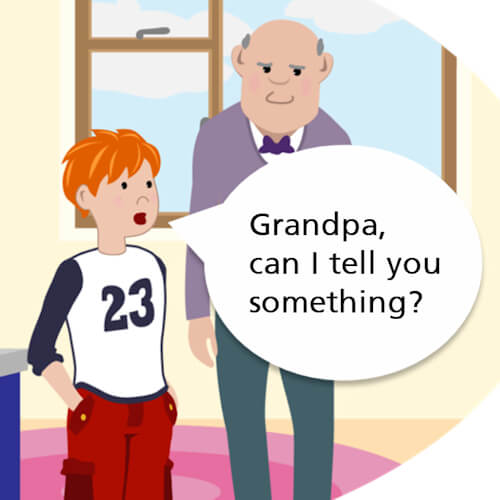
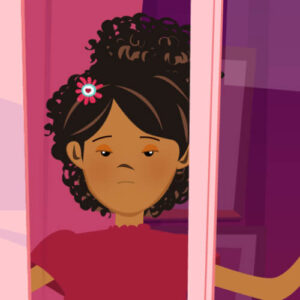
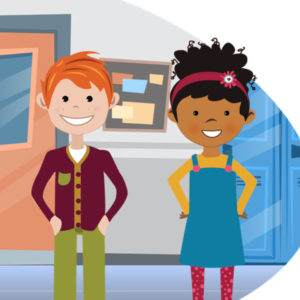
Meet Yasmine and Tom!
Animation, sound and touch-screen activities bring the characters Yasmine and Tom to life.
Age appropriate lessons help Yasmine and Tom cover the full curriculum including relationships, families, friendships, diversity, the body, online and offline safety and much more.
Discover peace of mind and a safe pair of hands so children can learn and grow.
Yasmine and Tom Example 1: The Introduction Video
A video shown to pupils aged 5 to 7 to introduce them to Yasmine and Tom.
Yasmine and Tom Example 2: Different Families
This is an “interaction” from Year 1, Lesson 3, i.e. for 5 to 6 year olds. Click the green button to see how this interaction works. Make sure to have your sound on!
Yasmine and Tom Example 3: Periods (menstruation)
This is an interaction from Year 6, i.e. for 10 to 11 year olds. Click the green button to see how this interaction works. Make sure to have your sound on!
Primary school relationships, sex and health education (RSHE) lesson outcomes.
Version 5.1, updated August 2026
The following provides an overview of what is taught to primary school aged children with FPA's Yasmine and Tom.
Outcomes cover the Sept 2026 RSHE curriculum.
After the lessons - pupils should be able to (or know how to do) the following:
Year 1: lessons designed for KS1, age 5-6
Lesson 1: Introducing Yasmine and Tom
- Describe some ways that boys and girls are similar or the same.
- Know that there is more than one way to be a boy and more than one way to be a girl.
Lesson 2: Friendships and feelings
- Describe what makes a good friend.
- Identify when friendship feels good.
- Describe how to solve a problem when a friendship goes wrong.
Lesson 3: Different families
- Identify different types of families.
- Describe a similarity and difference between different types of families.
- Understand why families are important for our wellbeing.
Lesson 4: My brilliant body
- Explain that all bodies are different.
- Say what is brilliant about our body.
- Explain what to do if someone says mean things about someone’s body.
- Describe how to get help.
Lesson 5: Keeping safe
- Recognise when a situation is safe or unsafe.
- Describe some ways that we can keep safe.
- Describe how to get help.
Lesson 6: Sleeping well
- Know how important it is to get good quality sleep.
- Know how to develop a routine before bedtime.
Lesson 7: Keeping clean
- Explain why it is important to keep clean.
- Give two examples of things to keep ourselves clean at home.
- Give two examples of things to keep clean at school.
Lesson 8: Safety in the sun
- Know how to protect ourselves when it is sunny.
- Understand what happens if we don’t protect ourselves in the sun.
Lesson 9: Good manners
- Understand the practice of using good manners and being courteous to others.
Year 2: lessons designed for KS1, age 6-7
Lesson 1 : Keeping clean and taking care of myself
- Name objects used to help keep someone clean and healthy.
- Explain why it is important to keep clean.
- Name tasks we can do for ourselves to look after our bodies.
Lesson 2: Naming body parts - external and private
- Name different parts of our body including the private and personal body parts.
- Explain what private and personal parts are and how they are identified.
Lesson 3: Keeping safe (lesson revisited)
- Recognise when a situation is safe or unsafe.
- Describe some ways that we can keep safe.
- Describe how to get help.
Lesson 4: Healthy eating
- Know what a healthy diet is.
- Identify healthy and unhealthy foods.
- Understand what happens if you have a poor diet and the risks involved, including tooth decay.
- Feel confident about food choices.
Lesson 5: Emotions and anger
- Recognise different emotions.
- Use techniques to help us manage our emotions.
Lesson 6: Keeping fit
- Know what happens to the body when we exercise.
- Know why it is important to exercise.
Lesson 7: Safety - out and about
- Identify risks in the wider world.
- Know the Green Cross Code and the Water Safety Code.
- Understand the dangers of fire.
- Identify ways to keep safe from physical risk.
Year 3: lessons designed for LKS2, age 7-8
Lesson 1: Yasmine and Tom recap and ground rules for Year 3
- Contribute to small group discussions and establish ground rules with the class.
- Identify one person we can talk with about growing up.
- Identify something to help us feel safe when we discuss bodies and relationships.
- Take practical steps to set personal boundaries and respect others.
Lesson 2: Me, myself and I
- Show respect to others who are different to me.
- Tell you at least one thing I am good at.
- Tell you one thing I can do to make myself feel better if I am feeling down.
- Explain what self-esteem is.
Lesson 3: What makes a good friend?
- Name two things that make a good friend.
- Name two things that would make me think someone is not a good friend.
- Explain what I need to do to be a good friend.
Lesson 4: Families and getting on with our families
- Name one thing that most families have in common and one way in which families can be different.
- Identify who I talk to if I am worried about anyone or anything in my family.
Lesson 5: My personal and private body parts and keeping safe
- Label the personal and private parts of bodies.
- Explain the difference between safe and unsafe touches.
- Know that no one has the right to touch us in a way that feels unsafe, not even someone in our family.
Lesson 6: People who can help us on and offline
- Identify someone I can ask for help if I need it.
- Understand how to make a report with the CEOP.
Lesson 7: Being safe in the sun
- Explain the benefits and dangers of the sun.
- Know how to protect ourselves from the harmful rays of the sun.
Lesson 8: Hidden sugar
- Identify healthier snack choices and explain the reason for their choice.
- Interpret food labels to understand sugar content.
- Understand what happens if you have a poor diet and the risks involved.
Lesson 9: Getting physical
- Understand the benefits of exercise and how it can help the mind and body.
- Know that it is important to exercise every day.
Year 4: lessons designed for LKS2, age 8-9
Lesson 1: Gender stereotypes and aspirations
- Take part in a discussion and respond respectfully to someone we don’t agree with.
- Describe what a stereotype is.
- Understand that stereotypes can be harmful.
Lesson 2: My personal and private body parts and keeping safe (lesson revisited)
- Label the personal and private parts of bodies.
- Explain the difference between safe and unsafe touches.
- Know that no one has the right to touch us in a way that feels unsafe, not even someone in our family.
Lesson 3: Body care
- Name at least one brilliant thing about our body.
- Explain which parts of the body we particularly need to keep clean as we get older.
Lesson 4: Is it risky?
- Know what risky means.
- Understand that some risks are good and with other risks we need to think carefully.
- Begin to understand how to take steps to assess risk and keep ourselves safe.
- Say no to things we don’t want to do.
- Use ‘Stop Think Go’ to help us know what our options are if we start to feel unsafe.
Lesson 5: People who can help us on and offline (lesson revisited)
- Identify someone I can ask for help if I need it.
- Understand how to make a report with CEOP.
Lesson 6: Germs
- Know the importance of washing your hands.
- Understand how germs are spread.
- Know good hygiene practices.
Lesson 7: Getting enough sleep
- Recognise what good quality sleep is and what the benefits of it are.
- Understand the importance of routines for promoting good quality sleep.
- Understand how sleep patterns change.
- Understand how challenges in getting good quality sleep can be overcome.
Lesson 8: Oral hygiene
- Understand that eating or drinking too much sugar causes tooth decay.
- Know what happens to teeth if they are not looked after.
- Identify ways to keep teeth healthy.
Lesson 9: Feeling good
- Know how to cope with challenges.
- Know where to seek help and support.
- Develop skills and interests to increase well-being.
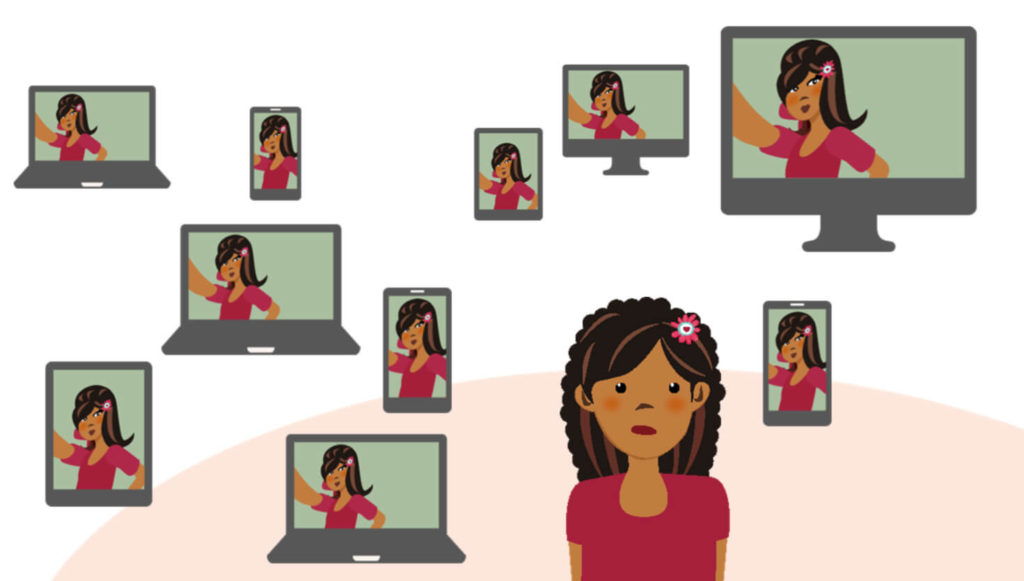
Lesson 10: Keeping safe - online risks
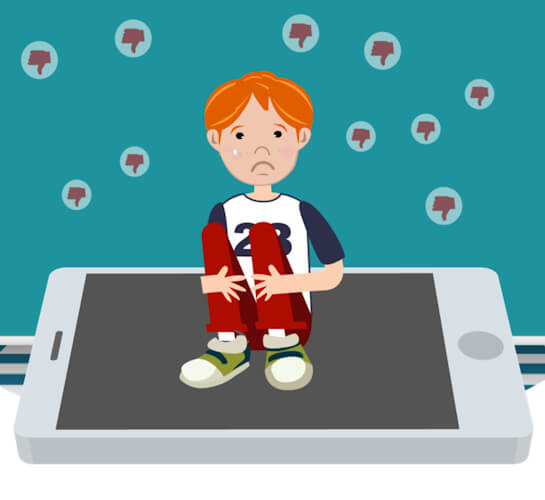
- Discuss the positive and negative aspects of the internet.
- Understand how information online can be false.
- Recognise signs and dangers of an online scam.
- Know that using social media and some online games are age restricted.
- Understand the risks related to online gaming and that it can be addictive.
Lesson 11: Wellbeing online
- Identify positive and negative aspects of the internet.
- Recognise that not all things online are true.
- Identify how social media can negatively affect our mental health.
- Know ways to manage our feelings that are a result of online activity.
Year 5: lessons designed for UKS2, age 9-10
Lesson 1: Respectful relationships
- Know that in relationships we need to balance the needs of different people
- Understand the difference between being assertive and being controlling
- Be kind to others while looking after ourselves too
Lesson 2: Online and offline friendships
- Explain how healthy friendships and relationships make us feel.
- Discuss how online relationships are different from in-person relationships.
- Explain what online bullying is.
- Tell someone what to do if they have a bullying problem.
- Tell someone what to do if they see any online or offline bullying.
Lesson 3: Keeping safe – online images
- Explain why posting pictures and videos could be risky.
- Understand our rights about personal data and privacy online.
- Explain the law about sharing pictures and videos of a child’s personal and private body parts.
- Describe how to help a friend who has made a ‘mistake’ online.
Lesson 4: Friendships and secrets
- Explain the difference between a safe and unsafe secret.
- Describe some qualities of a good friendship.
- Recognise when a friendship is making you feel unhappy or uncomfortable.
- Ask for help if we need it.
Lesson 5: Friendships and pressure
- Explain what peer pressure is.
- Say no to something we don’t want to do.
Lesson 6: Keeping safe – safe and unsafe touch
- Explain the need to ask and receive permission (consent) for some types of touch.
- Identify when physical contact feels unsafe and describe how to ask for help.
- Evaluate the importance of choice, control and time limit in making safer choices.
Lesson 7: Consent
- Understand what the word ‘consent’ means.
- Recognise when consent is given, verbally and non verbally.
- Practice asking for consent.
- Practice giving or denying consent.
Lesson 8: Wellbeing online (lesson revisited)
- Identify positive and negative aspects of the internet.
- Recognise that not all things online are true.
- Identify how social media can negatively affect our mental health.
- Know ways to manage our feelings that are a result of online activity.
Lesson 9: Misogyny
- Understand what misogyny is
- Recognise misogyny in everyday life
- Begin to challenge misogynistic behaviour and actions
Lesson 10: Keeping safe - online risks (lesson revisited)
- Discuss the positive and negative aspects of the internet.
- Understand how information online can be false.
- Recognise signs and dangers of an online scam.
- Know that using social media and some online games are age restricted.
- Understand the risks related to online gaming and that it can be addictive.
Lesson 11: Physical fitness
- Understand the benefits of exercise and how it affects our body.
- Know that it is important to exercise every day.
- Think of different activities that will exercise our body.
Lesson 12: Feeling good
- Understand what wellbeing means.
- Explain the link between physical and mental wellbeing.
- Understand that it is normal if you sometimes worry about things or feel low - it doesn’t mean you have a mental health problem.
- Give advice to young people who want to improve their mental wellbeing.
Lesson 13: Getting help
- Describe what Childline is and how to access it.
- Using my helping hand, we can identify who we can go to for help.
- Explain that there is nothing too awful or small that I can’t talk to someone about it.
Lesson 14: Isolation and loneliness
- Identify and discuss what loneliness is and how it makes us act.
- Recognise situations and events that might make people feel lonely.
- Talk openly about loneliness and maintain meaningful connections with others.
- Learn what we can do to cope with loneliness and help others who feel lonely.
Lesson 15: Immunisation and vaccinations
- Recognise the signs if someone is becoming ill.
- Know what an allergy is and name some common allergies.
- Understand that taking vaccines can protect us against a wide range of diseases and illnesses.
- Understand why taking vaccines is important.
- Understand the basics of how vaccines work.
Year 6: lessons designed for UKS2, age 10-11
Lesson 1: Changes at puberty
- Identify some of the changes that happen to our bodies during puberty.
- Describe who to talk to when we need help dealing with puberty.
- Ask for support for any changes that are difficult to manage.
Lesson 2: Periods (menstruation)
- Explain what a period (menstruation) is.
- Suggest ways to overcome possible problems from periods.
Lesson 3: Wet dreams and masturbation (Sex education lesson - optional opt out)
- Explain what wet dreams are.
- Explain that some people have wet dreams and some don’t.
- Suggest ways to manage wet dreams.
- Describe what masturbation is.
Lesson 4: Making babies - sexual intercourse (Sex education lesson - optional opt out)
- Describe fertilisation through sexual intercourse.
- Explain how a baby is made and that different people use different methods to do this.
- Describe what consent means.
- Know the age of consent.
Lesson 5: Making babies - Assisted fertility and multiple births (Sex education lesson - optional opt out)
- Explain that some people have help to become pregnant.
- Explain why some people need assistance to make a baby.
- Describe the difference between identical and non-identical twins.
Lesson 6: Making babies – Pregnancy and birth (Sex education lesson - optional opt out)
- Know how long an average pregnancy lasts.
- Explain why a pregnancy lasts approximately 40 weeks.
- Identify and explain why some things should and should not be eaten in pregnancy.
- Describe how babies are born (delivered).
Lesson 7: Identity and prejudice
- Identify things that shape our personal identity.
- Explain what prejudice means.
- Define what sexual orientation and gender mean.
Lesson 8: Equality and the law
- Describe what discrimination is.
- Explain that groups of people are protected by the Equality Act.
- Describe ways to challenge prejudice and discriminatory behaviour.
Lesson 9: Dangers of smoking
- Know the facts about smoking/vaping and the associated risks.
Lesson 10: The effects of alcohol
- Understand the effect that alcohol can have on the body.
- Understand “units of alcohol”.
Lesson 11: Legal and illegal drugs
- Explain there are risks with any type of drug.
- Identify some risks and effects of drug use.
- Recognise laws on drugs and that some drugs are illegal to own, use or give to others.
- Analyse the level of risk in different situations.
- Understand that drugs can affect people in different ways.
- Explain that taking drugs is often an unhealthy habit that can be difficult to break but support is available.
- Know where to report any concerns.
Lesson 12: Coping with grief
- Describe what bereavement is.
- Understand that change and loss can trigger a range of feelings.
- Know that everyone grieves differently and this is natural.
- Know where and how to seek support.
Lesson 13: Marriage
- Give some reasons why people choose to marry or enter a civil partnership.
- Know relationships can bring us joy and they can give us meaning. They can be good for us; through our relationships we learn who we are, how to be less selfish and how to think of others.
- Understand for most Christians and people of other faiths and beliefs there is often a special ceremony of promises and rituals to mark marriage.
Lesson 14: First aid
- Explain some situations where someone might need to do first aid.
- Understand the importance of reporting incidents.
- Make a clear call for help to emergency services.
- Understand the basics of first aid, for example dealing with common injuries like head injuries.
Yasmine and Tom - 1 Year RSHE Membership
Choose the plan you need depending upon the number of teachers (users) and the number of pupils in your school(s):
| Membership Plan | Users | Number of Pupils | Annual Membership |
Basic |
1 | up to 75 | £299 (£358.80 inc VAT) |
Essential |
2 | 76 to 250 | £399 (£478.80 inc VAT) |
Standard |
4 | 251 to 500 | £599 (£718.80 inc VAT) |
Premier |
6 | 501 to 750 | £799 (£958.8 inc VAT) |
Platinum(inc multiple schools & Trusts) |
10 | 751 to 1,000 | £999 (£1198.8 inc VAT) |
Custom plan(inc SEND, multiple schools & Trusts) |
custom | custom | please email |
Yasmine and Tom - RSHE - 1 Year Membership
- Payable via Debit/Credit Card, PayPal, Invoice or Purchase Order
- You'll get an email warning before your Membership expires - you can renew online
- If you do not renew, your Membership and access will expire.