Sex education in primary schools – teacher guidance
Sex education in primary schools – teacher guidance
The following comes from the new Yasmine and Tom teacher guidance: “Guidance section 5 – Sex education in primary schools“
This assumes readers are teachers with a Yasmine and Tom RSHE membership.
If you have a membership – you can read the full teacher guidance here.
-
Headline Department for Education (DfE) guidance
“Sex education is not compulsory in primary schools, but we recommend that primaries teach sex education in years 5 and/or 6, in line with content about conception and birth, which forms part of the national curriculum for science”.
“Primary schools should consult parents about the content of anything that will be taught within sex education. This process should include offering parents support in talking to their children about sex education and how to link this with what is being taught in school as well as advice about parents’ right to request withdrawal from sex education”.
-
DfE text on sex education
This is covered on pages 6 and 11 of the DfE guidance – including rules on opting out.
-
Yasmine and Tom comes with 4 sex education lessons
Updated: May 2026.
The following provides an overview of what is taught to primary school aged children with FPA’s Yasmine and Tom.
After the lessons – pupils should be able to (or know how to do) the following:
Year 6, lesson 3: Wet dreams and masturbation (Sex education lesson – optional opt out)
- Explain what wet dreams are.
- Explain that some people have wet dreams and some don’t.
- Suggest ways to manage wet dreams.
- Describe what masturbation is.
Year 6, lesson 4: Making babies – sexual intercourse (Sex education lesson – optional opt out)
- Describe fertilisation through sexual intercourse.
- Explain how a baby is made and that different people use different methods to do this.
- Describe what consent means.
- Know the age of consent.
Year 6, lesson 5: Making babies – Assisted fertility and multiple births (Sex education lesson – optional opt out)
- Explain that some people have help to become pregnant.
- Explain why some people need assistance to make a baby.
- Describe the difference between identical and non-identical twins.
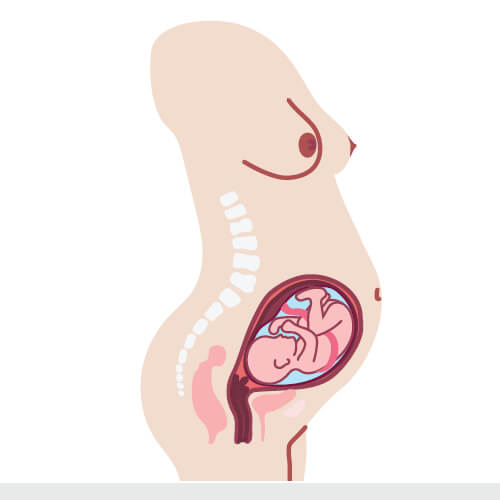
Year 6, lesson 6: Making babies – Pregnancy and birth (Sex education lesson – optional opt out)
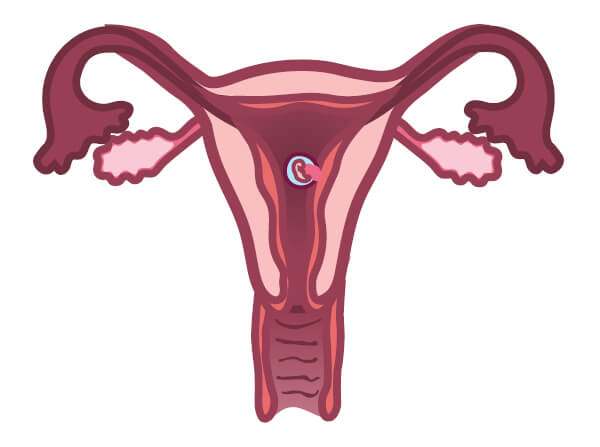
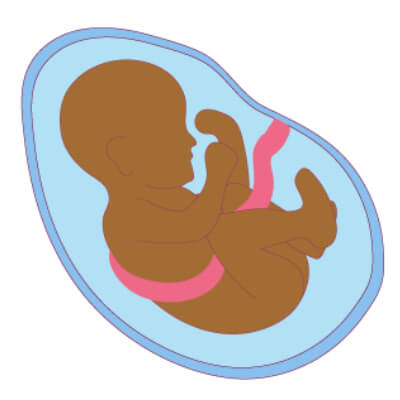
- Know how long an average pregnancy lasts.
- Explain why a pregnancy lasts approximately 40 weeks.
- Identify and explain why some things should and should not be eaten in pregnancy.
- Describe how babies are born (delivered).
These lessons are also clearly marked on the individual lesson plans.
-
Can parents and guardians withdraw their children from any Yasmine and Tom lessons?
- Parents and guardians cannot withdraw a child from ‘relationships’ and ‘health’ education as this is a legal requirement.
- Parents and guardians cannot withdraw a child from sex education that is part of the science curriculum e.g. ‘external body parts’ and ‘the human body as it grows from birth to old age (including puberty)’.
- Parents and guardians can request a child is opted-out from the 4 additional sex education lessons listed above.
-
Opting out and recommended practice
- According to the DfE “Where primary schools provide sex education, head teachers must automatically grant a request to withdraw a pupil from it, other than content that is taught as part of the science curriculum.”– again the 4 Yasmine and Tom lessons where parents and guardians can request a child is opted-out are listed above.
- “Before granting any request for withdrawal of a child from sex education, it is good practice for the head teacher to discuss the request with parents, and the child if appropriate, to understand the request and to clarify the nature and purpose of the curriculum.”
- “This is likely to include discussing the benefits of sex education, and any detrimental effects of withdrawal, including social and emotional impacts on the child, and the likelihood that the child will hear their peers’ version of what was said in class, which may not be accurate.”
-
Help when talking with parents and guardians about sex education
- The NHS states “it’s perfectly normal for puberty to begin at any point between the ages of 8 and 13 in girls and 9 and 14 in boys.”
- Pupils will now be taught clinically correct words as part of the health and wellbeing curriculum.The curriculum content on “Developing bodies” (DfE guidance – page 25) includes pupils knowing “The correct names of body parts, including the penis, vulva, vagina, testicles, scrotum, nipples. Pupils should understand that all of these parts of the body are private and have skills to understand and express their own boundaries around these body parts.”
- FPA’s 4 additional sex education lessons are age appropriate and taught in year 6 (10-11 year olds).
- If a parent / guardian opts out of the 4 lessons then FPA strongly recommends parents teach sex education at home. Although in an ideal world – children would get these important lessons at home and at school.
-
Help with parents – let them see Yasmine and Tom materials & more
- As well as showing parents materials at any school open events please invite parents to visit fpa.org.uk/parents
- Here they can see example resources with age appropriate Yasmine and Tom videos and interactions as well as FAQs on RSHE, a list of lessons and learning outcomes.
-
Helping with age appropriate vocabulary and definitions:
- As above – curriculum content on “Developing bodies” (DfE guidance – page 25) now includes pupils knowing “The correct names of body parts, including the penis, vulva, vagina, testicles, scrotum, nipples.”
If you are used to teaching with Yasmine and Tom you won’t notice this change as FPA has always used clinically correct language. - Each Yasmine and Tom lesson contains a glossary of keywords for that lesson.
- There is also a full glossary – where some terms come with 2 different definitions based on the pupil’s year group e.g.
- As above – curriculum content on “Developing bodies” (DfE guidance – page 25) now includes pupils knowing “The correct names of body parts, including the penis, vulva, vagina, testicles, scrotum, nipples.”
| Vocabulary | Definition |
|---|---|
| Penis (Years 1 – 4) |
|
| Penis (Y5 & Y6) |
|
-
Help with clinically accurate information
Each sex education lesson contains extra information slides in the teacher preparation area to support subject knowledge on the below topics:
- Assisted fertility
- Birth
- Pregnancy
- Masturbation
- Sexual intercourse
- Multiple births
-
Making tricky topics accessible for teachers
- Each sex education lesson contains an “interaction” – animation, sound and touch-screen activities to help deliver content
- The animation and narration allows teachers to observe pupils whilst the information is delivered and therefore best assess next steps for learning and support.